
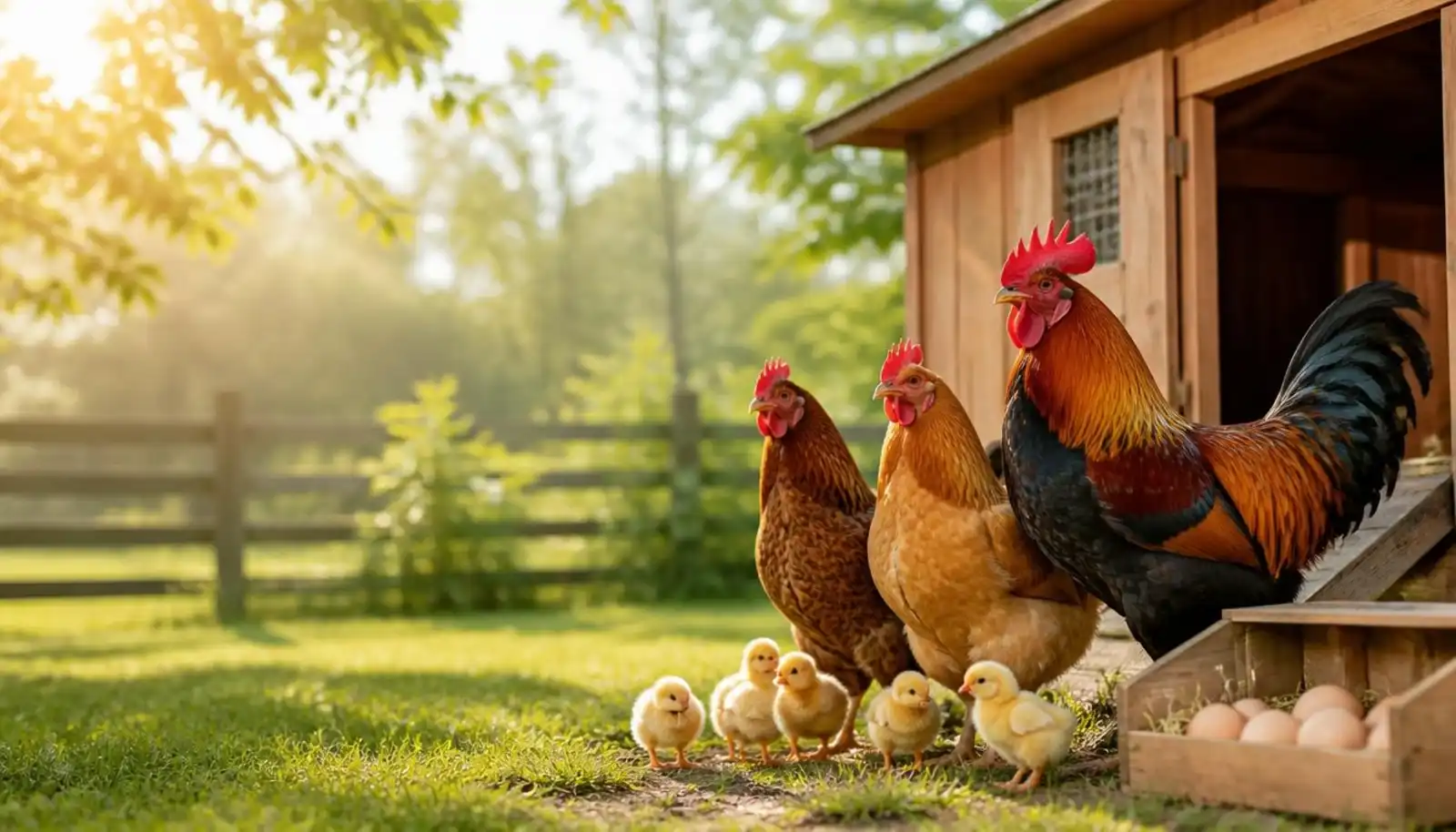
Chicken breeding for beginners involves selecting healthy parent birds, collecting fertile eggs, hatching them, and raising strong chicks. With proper planning, nutrition, and daily care, backyard chicken owners can raise their own replacement birds or expand their flocks.
Whether you want more egg-laying hens, dual-purpose chickens, or birds with specific characteristics, understanding the breeding process is important. This guide explains how to choose breeding chickens, manage roosters, collect and store fertile eggs, hatch chicks, and provide proper care from the first day.
1. Understand the Basics of Chicken Breeding
Chicken breeding is the process of mating a rooster with hens to produce fertile eggs that can develop into chicks.
Hens can lay eggs without a rooster, but those eggs will not be fertile. If you want to hatch your own chicks, you need a healthy, sexually mature rooster and suitable breeding hens.
Before starting, decide what you want to achieve:
- Egg production: Select birds from productive laying lines.
- Meat production: Choose birds with suitable body size and growth characteristics.
- Dual-purpose chickens: Select breeds valued for both eggs and meat.
- Breed preservation: Maintain the recognized characteristics of a particular breed.
- Appearance: Select birds for desirable feather colors, comb types, and body features.
Choose one main breeding goal before selecting your parent birds. This makes it easier to evaluate their qualities and plan future generations.
Remember that offspring inherit characteristics from both parents. Good-looking or productive parents do not guarantee that every chick will have the same qualities.
Before starting a breeding flock, check your local city, county, and homeowners association rules. Some residential areas restrict roosters, even when backyard hens are allowed.
2. Choose Healthy Roosters and Hens for Breeding
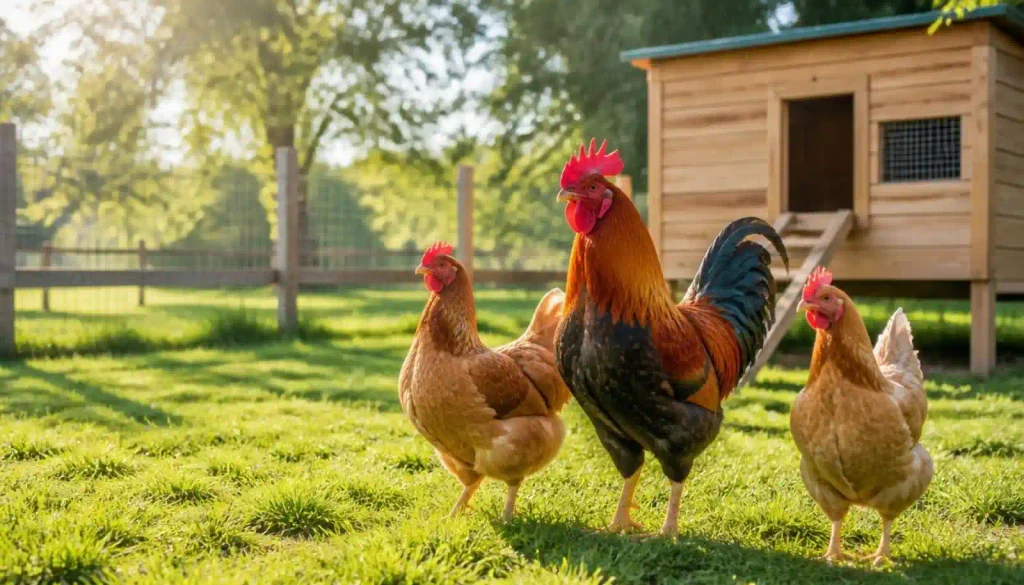
Selecting suitable parent birds is one of the most important steps in chicken breeding. Healthy parents with desirable inherited traits give you a better foundation for raising strong offspring.
Look for these qualities when selecting breeding chickens:
- Bright, clear eyes and clean nostrils.
- Smooth, well-maintained feathers.
- Strong legs and normal movement.
- Good body condition without excessive fat or thinness.
- Active behavior and a normal appetite.
- No obvious signs of injury or illness.
- Suitable characteristics for your breeding goal.
Avoid breeding birds with serious inherited defects, poor body structure, or recurring health problems. Appearance alone should not determine your selection.
Choosing the Right Rooster
A suitable breeding rooster should be physically sound, active, and able to mate naturally. He should also have a manageable temperament and desirable breed characteristics.
Avoid aggressive roosters that repeatedly injure hens or make flock management difficult.
Choosing the Right Hens
Select hens with good health, suitable body condition, and the characteristics you want in future generations.
For egg-focused breeding, consider laying history, egg quality, and consistency rather than appearance alone.
Preventing Inbreeding
Avoid repeated close-relative matings, especially between siblings or parents and offspring. Close breeding can increase the risk of inherited problems and reduce flock performance when harmful traits become more common.
Keep records of each bird’s parents and offspring. When possible, introduce unrelated, healthy breeding stock from reputable sources.
Also, quarantine newly purchased birds separately before introducing them to your existing flock. This helps reduce the risk of bringing diseases and parasites into your breeding group.
3. Manage the Breeding Flock Properly
After selecting your parent birds, prepare a clean, comfortable, and secure breeding area.
Provide enough space for chickens to move freely, fresh drinking water, suitable feed, clean nesting boxes, and protection from predators and extreme weather.
How Many Hens Per Rooster?
The appropriate rooster-to-hen ratio depends on breed, age, health, activity, and flock management.
A common starting guideline is approximately 10–12 hens per rooster, although some breeding recommendations use smaller groups. The right ratio may differ for large, heavy, or less active breeds.
Watch your flock carefully:
- Look for successful mating behavior.
- Check hens for feather loss and back injuries.
- Avoid overcrowding and excessive mating pressure.
- Separate aggressive or unsuitable birds when necessary.
- Check fertility rather than assuming that mating guarantees fertile eggs.
There is no universal ratio that guarantees good fertility. Adjust the breeding group according to the birds’ condition and results.
Feed and Care for Breeding Chickens
Provide a balanced, complete poultry diet suitable for the birds’ age and purpose. Breeding chickens need proper nutrition to maintain body condition and reproductive health.
Also provide:
- Clean drinking water every day.
- Adequate space and ventilation.
- Dry, clean bedding.
- Regular cleaning of feeders and waterers.
- Protection from parasites, predators, and disease.
Avoid sudden feed changes and excessive feeding. Maintain a consistent feeding routine and monitor the body condition of both roosters and hens.
Keep Simple Breeding Records
Good records help you understand which birds produce desirable offspring.
Record the following information:
- Parent bird identification and breed.
- Breeding group and mating dates.
- Egg collection dates.
- Number of eggs placed in the incubator.
- Number of chicks hatched.
- Health and physical characteristics of offspring.
These details help you make better breeding decisions in future seasons.
4. Collect and Store Fertile Chicken Eggs
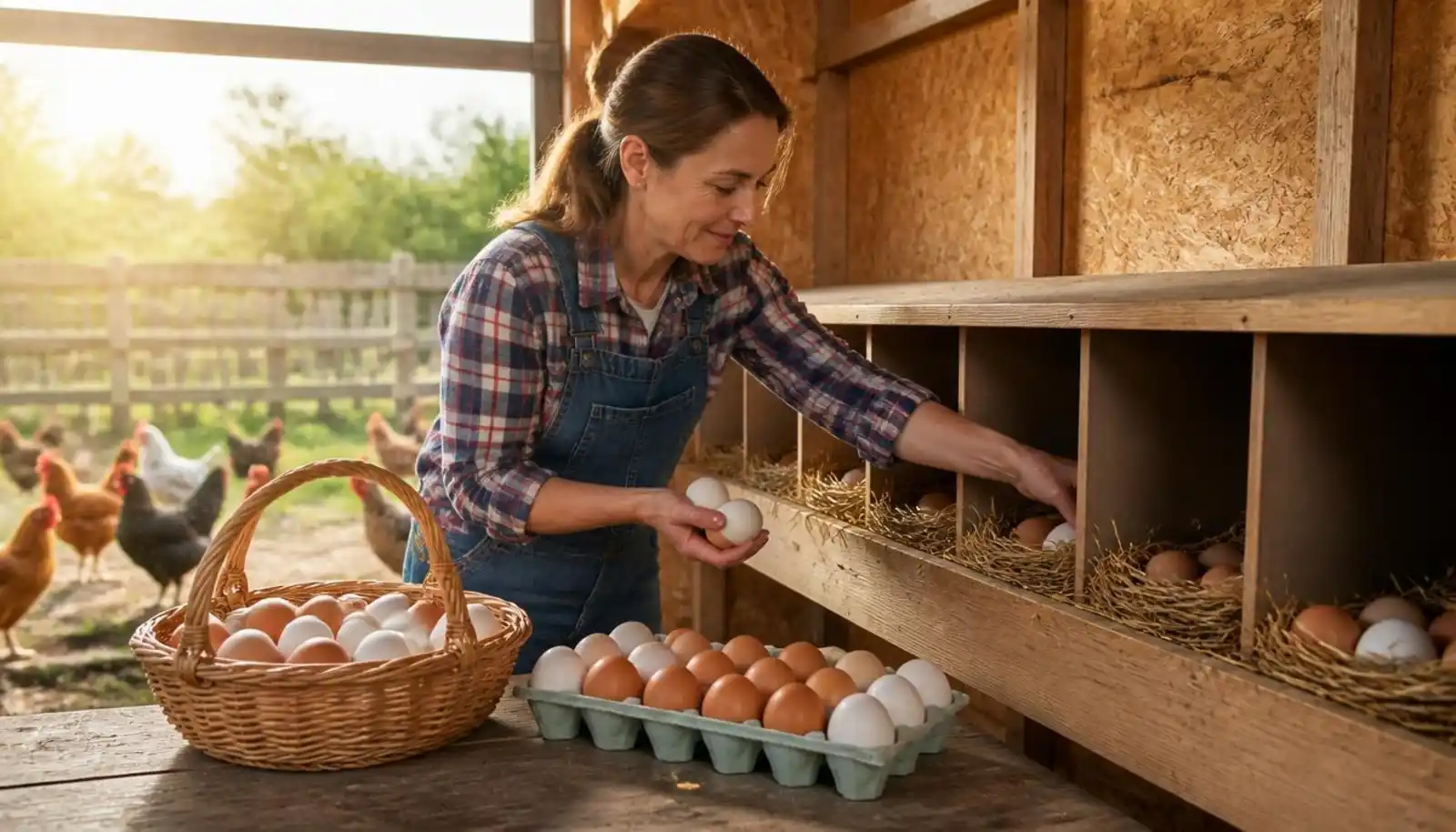
After successful mating, hens can lay fertile eggs. However, not every egg will necessarily contain a developing embryo.
Collect eggs regularly, preferably several times throughout the day. This helps keep them clean, reduces breakage, and protects them from extreme temperatures.
How to Select Eggs for Hatching
Choose eggs that have:
- Normal shapes and sizes for their breed.
- Clean, intact shells.
- No cracks, leaks, or visible damage.
- No heavy dirt or contamination.
- A suitable collection date.
Avoid unusually small, oversized, misshapen, or heavily soiled eggs. Do not wash hatching eggs unnecessarily because washing can remove their natural protective coating.
How to Store Fertile Eggs
Proper storage helps protect embryo development before incubation.
Follow these general guidelines:
- Collect eggs soon after they are laid.
- Store them at approximately 50–65°F.
- Maintain around 70% relative humidity.
- Keep eggs with the pointed end facing downward.
- Turn or reposition stored eggs daily.
- Aim to incubate them within seven days.
Hatchability generally decreases as storage time increases. Mississippi State University Extension recommends storing most hatching eggs for no longer than one week under suitable conditions.
Mississippi State University Extension Service+1
Do not place hatching eggs in a regular refrigerator without checking its temperature. Household refrigerators are often too cold for proper hatching egg storage.
5. Incubate Fertile Eggs and Hatch Baby Chicks
You can hatch chicken eggs naturally under a broody hen or artificially using an incubator. Both methods can work when the eggs and breeding birds are properly managed.
Natural Hatching Under a Broody Hen
A broody hen has a strong instinct to sit on eggs and hatch them.
If you choose natural incubation:
- Select a healthy, dependable broody hen.
- Provide a quiet, clean nesting area.
- Place suitable fertile eggs under her.
- Keep food and fresh water nearby.
- Protect the nest from predators and other flock members.
- Check the nesting area regularly without disturbing her unnecessarily.
The hen provides warmth, adjusts the eggs, and turns them naturally. However, not every chicken breed or individual hen becomes broody.
Artificial Incubation Using an Incubator
An incubator allows you to hatch eggs without relying on a broody hen. It is useful when you want to hatch several eggs together or manage the process yourself.
Before adding eggs, test the incubator and check that its temperature and humidity instruments work properly.
Chicken Egg Incubation Timeline
| Incubation stage | What to do |
| Days 1–18 | Maintain suitable temperature, humidity, ventilation, and regular egg turning. |
| Days 7–10 | Candle eggs to check embryo development. |
| Day 18 | Stop turning eggs and prepare for hatching. |
| Days 19–21 | Maintain hatching conditions and avoid unnecessary opening. |
Recommended Incubator Temperature
Temperature depends on the incubator design:
- Forced-air incubator: Approximately 100°F.
- Still-air incubator: Approximately 102°F, measured at the same level as the top of the eggs.
These are starting recommendations from Mississippi State University Extension. Always consider the incubator manufacturer’s instructions and thermometer placement.
Mississippi State University Extension Service+2
Humidity also matters, but the correct setting depends on the incubator, measurement method, and egg moisture loss. Follow the manufacturer’s guidance rather than assuming one humidity percentage works for every machine.
Important Incubation Tips
- Test the incubator before adding eggs.
- Keep it away from direct sunlight and cold drafts.
- Turn eggs at least three times daily if you do not have an automatic turner.
- Stop turning eggs on day 18.
- Maintain adequate fresh-air ventilation.
- Avoid opening the incubator unnecessarily during hatching.
- Keep accurate records of when eggs enter the incubator.
How to Candle Chicken Eggs
Candling means shining a bright light through an egg in a dark room to examine its development.
Around days 7–10, you may see developing blood vessels and a dark embryo inside a growing egg.
A clear egg may be infertile or may contain an embryo that stopped developing. Remove questionable eggs carefully according to reliable incubation guidance, especially if they show signs of leakage or spoilage.
Chicken eggs generally take approximately 21 days to hatch. Temperature, humidity, ventilation, egg turning, and egg quality all influence successful development.
Mississippi State University Extension Service+2
6. Raise and Care for Newly Hatched Chicks
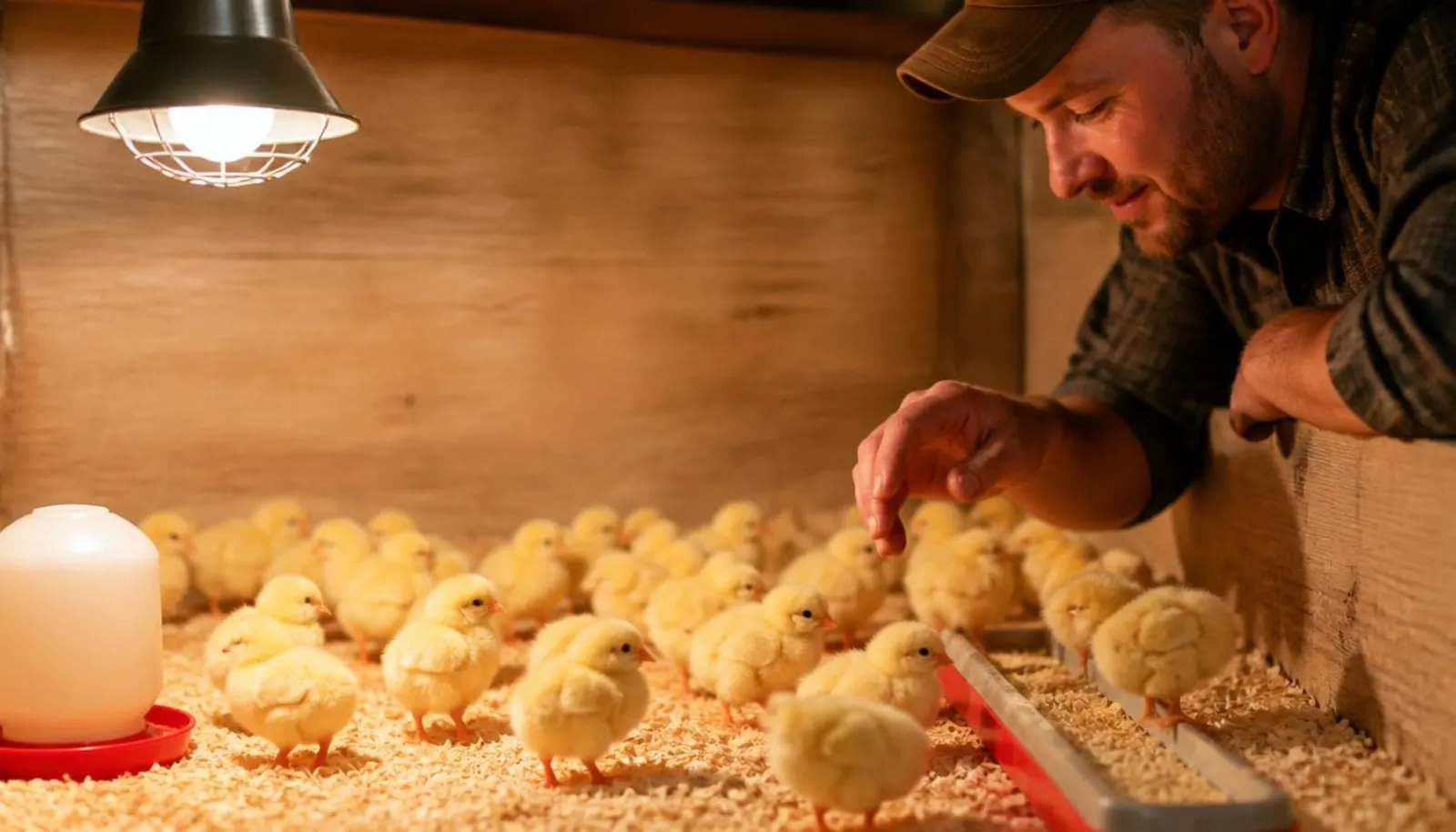
After hatching, chicks need a warm, clean, and protected environment. Proper early care helps them become healthy, active chickens.
If chicks hatch under a hen, she usually provides warmth and teaches them basic behaviors. If you use an incubator, you must prepare a brood and manage their daily care.
Prepare a Safe Brooder
A brooder is a warm, protected space where young chicks live during their early weeks.
Before transferring chicks, prepare:
- A secure brooder with enough room to move.
- A reliable heat source.
- Clean, dry, absorbent bedding.
- A shallow chick-safe waterer.
- Suitable commercial chick starter feed.
- Protection from drafts and predators.
Avoid slippery flooring, such as uncovered newspaper or smooth plastic, because it can contribute to leg problems.
Prepare and test the brooder at least one day before chicks arrive.
Provide the Right Temperature
Start with approximately 95°F at chick level during the first week. Reduce the temperature by about 5°F each week, adjusting according to chick behavior and environmental conditions.
| Chick age | Starting temperature |
| Week 1 | 95°F |
| Week 2 | 90°F |
| Week 3 | 85°F |
| Week 4 | 80°F |
These are general guidelines, not rigid requirements. Continue providing supplemental heat when chicks need it, especially in cold conditions.
Extension+2
Watch how chicks behave:
- Huddling under the heat source: They may be too cold.
- Moving far away from the heat: They may be too hot.
- Gathering on one side: There may be a draft.
- Moving around comfortably: The temperature is likely suitable.
Always provide enough space for chicks to move closer to or farther away from the heat.
Keep the Brooder Safe
Heat lamps can create a fire risk if they fall or come into contact with bedding.
Secure heat lamps with appropriate chains or supports rather than relying on electrical cords. Keep them away from flammable materials and protect electrical connections from water.
A suitable brooder heating plate is another option when used according to its manufacturer’s instructions.
Extension+2
Feed Chicks Properly
Give newly hatched chicks complete commercial chick starter feed appropriate for their age and purpose. Keep fresh, clean water available at all times.
Follow these feeding practices:
- Use starter feed designed for young chickens.
- Keep feeders and waterers clean.
- Provide enough feeding space for all chicks.
- Avoid using treats as a replacement for complete feed.
- Provide appropriate chick grit if you introduce foods other than their complete starter feed.
Keep the brooder clean and dry. Check chicks daily for weakness, pasty vents, breathing problems, or unusual behavior. Seek veterinary advice if a chick appears seriously ill.
Prepare Chicks for the Main Flock
Do not immediately place young chicks with adult chickens.
Wait until they are sufficiently developed and healthy, then introduce them gradually. Use a secure separation area where both groups can see each other before sharing the same space.
Monitor the flock for bullying, injuries, and signs of illness. Provide enough feeders, waterers, and space to reduce competition.
Frequently Asked Questions
1. Do You Need a Rooster to Breed Chickens?
Yes. A rooster is needed to fertilize eggs naturally. Hens can lay eggs without a rooster, but those eggs will not develop into chicks.
2. How Many Hens Can One Rooster Breed?
A common starting guideline is approximately 10–12 hens per rooster. The ideal number depends on breed, age, health, and mating activity.
3. How Long Does It Take Chicken Eggs to Hatch?
Chicken eggs generally take 21 days to hatch. Proper temperature, humidity, ventilation, and egg turning help support healthy embryo development.
4. Can You Hatch Store-Bought Chicken Eggs?
Most grocery-store eggs are not suitable for hatching because they are generally unfertilized. You need fertile hatching eggs from a reputable breeder or your own breeding flock.
5. How Can You Tell If a Chicken Egg Is Fertile?
Use a process called candling. Shine a bright light through the egg in a dark room around days 7–10 of incubation. Developing blood vessels and a visible embryo indicate that the egg is developing.
6. What Should Baby Chicks Eat After Hatching?
Baby chicks should receive complete commercial chick starter feed and fresh, clean water. Avoid relying on kitchen scraps or treats for their main nutrition.
Conclusion
Chicken breeding for beginners becomes easier when you understand how to select healthy parent birds, manage your breeding flock, collect fertile eggs, and provide proper incubation conditions.
Start with a small breeding group, maintain good hygiene, and monitor your chickens throughout the process. With careful planning, proper equipment, and consistent chick care, you can successfully hatch and raise healthy chickens in your backyard.
